Skip to content

Brian Packer | Keynotes & Leadership Workshops

The Human Side of Sustainable Success

Move beyond hero ball to a team that keeps winning.

Discuss your eventExplore the topics ↓
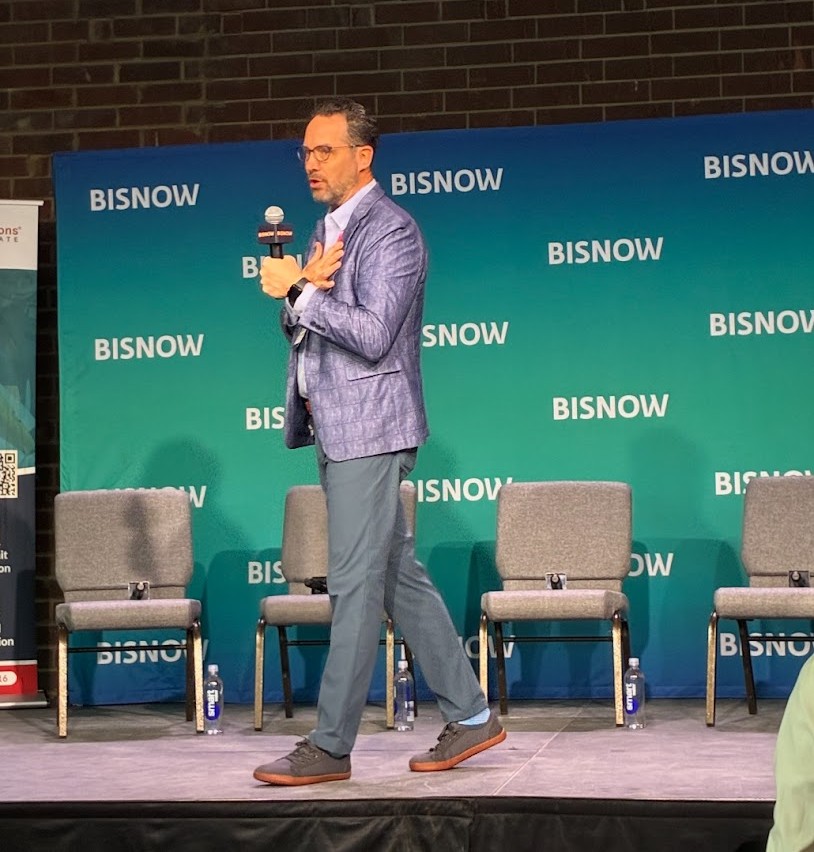
Brian Packer speaking with a microphone on stage at a Bisnow event

What happens when your strongest performer takes a week off?

For some organizations, the answer reveals how much success depends on a few people carrying the load. The results may look good while knowledge, decisions and relationships remain concentrated in the same hands.

Brian Packer helps audiences examine what success may be hiding and consider how to build trust, strengthen shared capability and create systems that support sustainable growth. His conversations connect the everyday experience of leadership with the practical work of helping people and organizations grow.

01

The Hero Ball Trap

Build a team whose success can continue without constant heroics.

An exceptional founder, manager or salesperson can help a company grow. Dependence on that person can also become a risk. This keynote explores how leaders can recognize the difference between individual contribution and organizational capability, then begin sharing the knowledge, responsibility and decision-making that allow others to succeed.

Best suited to founders, business owners, executives and leadership teams.

Audiences will explore how to:

  • Recognize where success depends too heavily on one person.
  • Strengthen trust and alignment before adding more process.
  • Identify one practical change that helps the team carry more responsibility.

02

The Cost of Disconnected Leadership

See the gap between what leaders believe and what people experience.

Leaders make decisions with the information available to them. When feedback is filtered or people feel unable to question authority, that information can become incomplete. Brian calls this the Reality Gap.

This conversation examines how proximity, honest feedback and healthy accountability help organizations notice mistakes, correct problems and protect trust.

Best suited to executives, managers, HR professionals and organizations navigating growth or change.

Audiences will explore how to:

  • Notice where assumptions have replaced direct understanding.
  • Make it safer for people to question, disagree and surface problems.
  • Build feedback and correction into the way work gets done.

03

Nobody Is Self-Made

Recognize the relationships and opportunities behind achievement.

Our effort matters, and so do the people who teach us, trust us, open doors and help us develop. Recognizing those contributions can deepen our understanding of success and our responsibility to create opportunities for others.

Through stories and reflection, this talk invites audiences to examine how mentorship, humility and interdependence shape human capability.

Best suited to business, education, community and mentoring audiences.

Audiences will explore how to:

  • Recognize contributions that are easy to overlook.
  • Practice gratitude without diminishing personal responsibility.
  • Create opportunities that help someone else grow.

04

Humanity Check

Bring curiosity and discernment to the stories we carry.

We inherit ideas about ourselves, other people and the world. Some continue to serve us well. Others deserve another look.

Drawing on the themes of Healing the Inner Child: Parables by Firelight, this conversation uses stories to explore curiosity, empathy, trust and the willingness to consider another perspective. Personal growth provides a foundation, while our roles as friends, parents, colleagues and leaders also require specific skills we can learn.

Best suited to personal-development, community, education and author-event audiences.

Audiences will explore how to:

  • Examine an assumption with curiosity.
  • Listen for more than one truth without treating every claim as equally sound.
  • Choose a small experiment in how they relate to others.
Brian’s firsthand account

A leadership lesson from ZAGG

During my time at ZAGG, a daily game of four square gave people from different parts of the company a chance to spend time together. Those relationships also made it easier to hear about problems that might otherwise have stayed within a department.

Conversations with customer service helped me understand that our shipping operation was struggling to keep up. The response involved people across the organization: listening, redesigning the work, sharing responsibility and developing leaders who could make decisions without everything coming back to one person.

The lesson I carry from that experience is that connectedness can help an organization see reality more clearly. Trust creates room for people to speak, and capable teams turn what they learn into better ways of working.

Brian Packer, founder of Legacy Sustained

Meet Brian

Brian Packer is the founder of Legacy Sustained and author of Healing the Inner Child: Parables by Firelight. His background includes leadership roles at ZAGG, and his work explores the relationship between trust, alignment, organizational systems and sustainable growth.

Brian brings practical business experience and reflective storytelling to conversations about leadership and human development. His approach asks people to imagine, try, observe and refine as they learn.

Read Brian’s biography →

Hear Brian in conversation: Why Great Leaders Build Trust, Not Fear, with Greg Aden

Explore Brian’s book →

Bring the conversation to your audience

Keynote and workshop formats include a 45-minute presentation and a 90-minute workshop.

Tell us about your audience, the challenge you want to address and your event. We can explore which topic and format fit the conversation you want to create.

Discuss your event

Leadership in practice

José Mujica and the Power of Proximity: explore the Reality Gap through our first case study.

Developing speaking and workshop topic

The Living Organization

What can immune systems teach us about accountability, risk, and resilience? This developing topic explores organizational health through an evidence-informed leadership analogy. It connects constructive accountability with the capacity to detect problems, respond, recover, and adapt.

Read The Living Organization